A Buyer’s Guide to Cabinet Hinge Production: Quality Control and Manufacturing Process
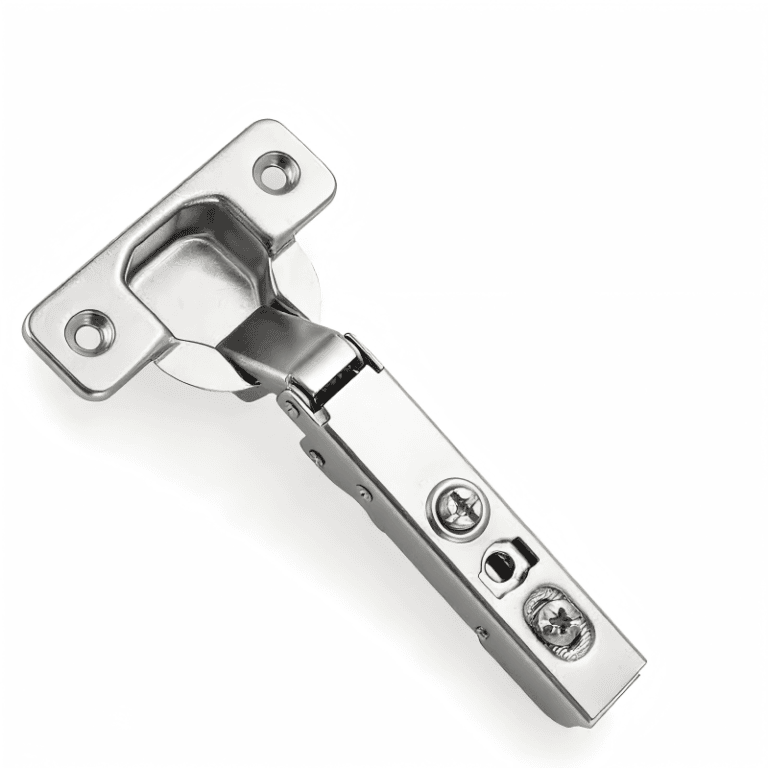
Cabinet hinges are the core functional hardware of furniture, determining the opening and closing smoothness, durability and user experience of cabinet doors. For furniture wholesalers, custom cabinet manufacturers and hardware distributors, understanding the professional production process and strict quality control standards of cabinet hinges is the key to selecting high-quality, cost-effective and long-lasting products. This guide comprehensively analyzes the whole production link of cabinet hinges, including raw material selection, manufacturing process, quality inspection standards and packaging and transportation specifications, helping buyers avoid inferior products and complete reliable supplier screening.
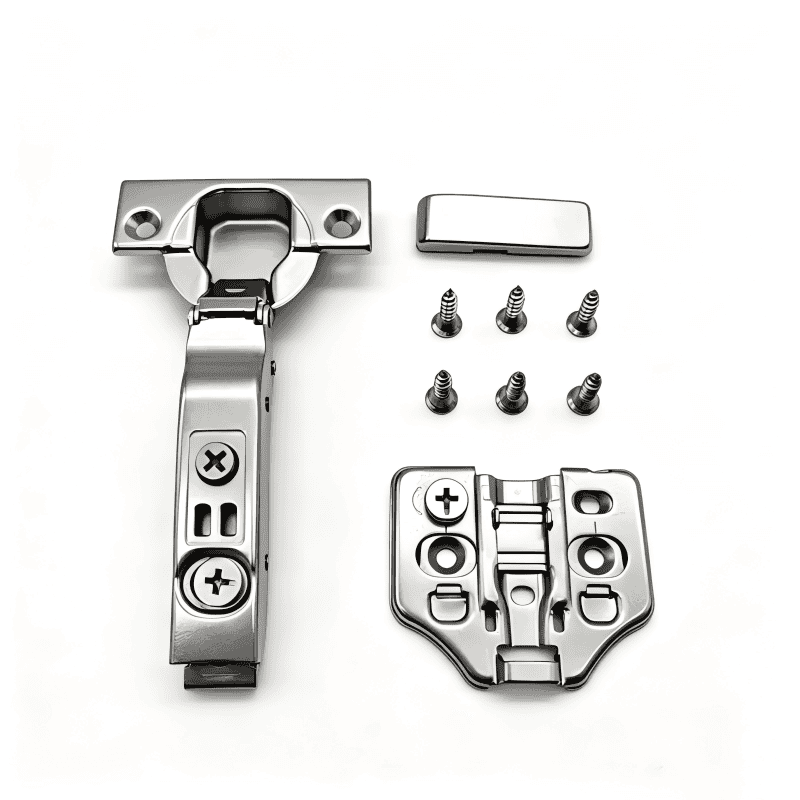
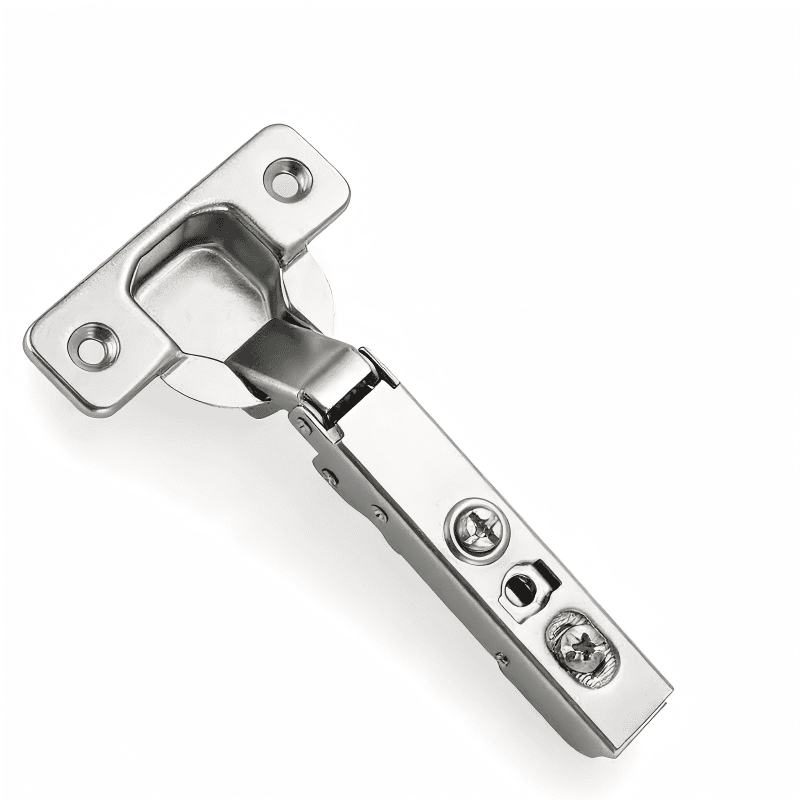
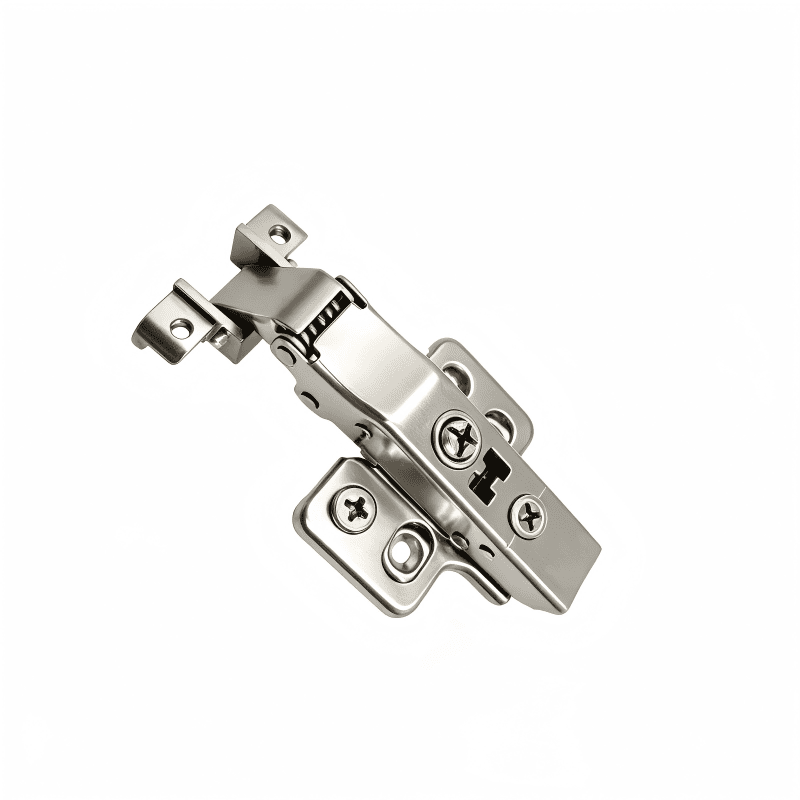
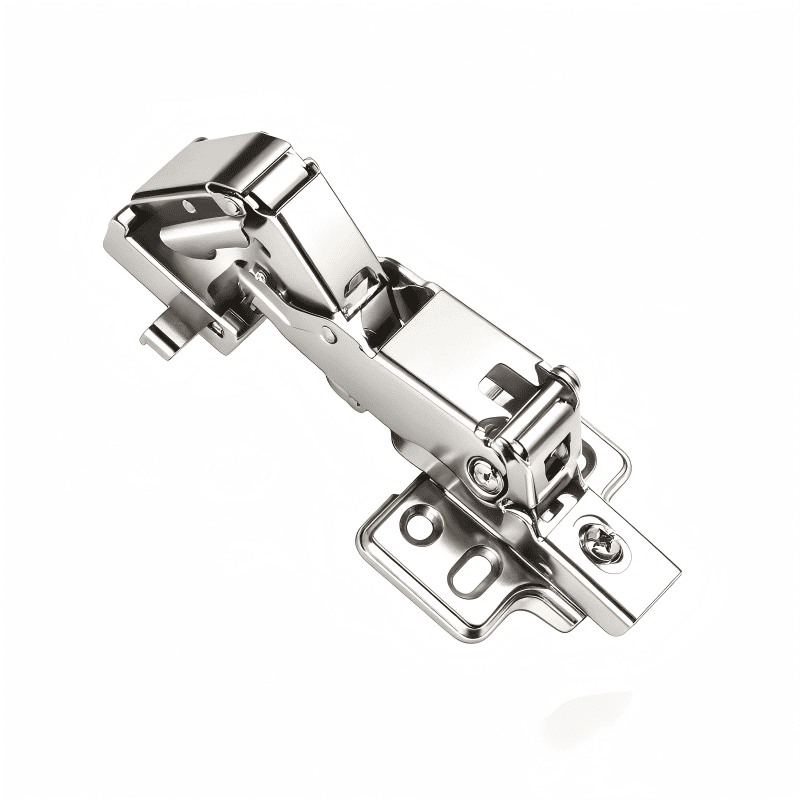
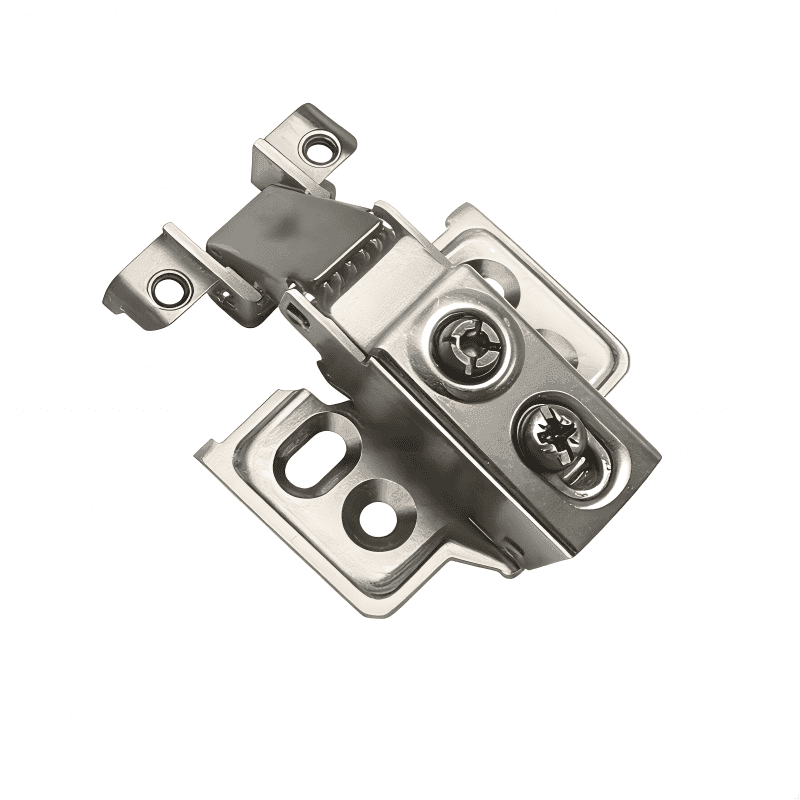
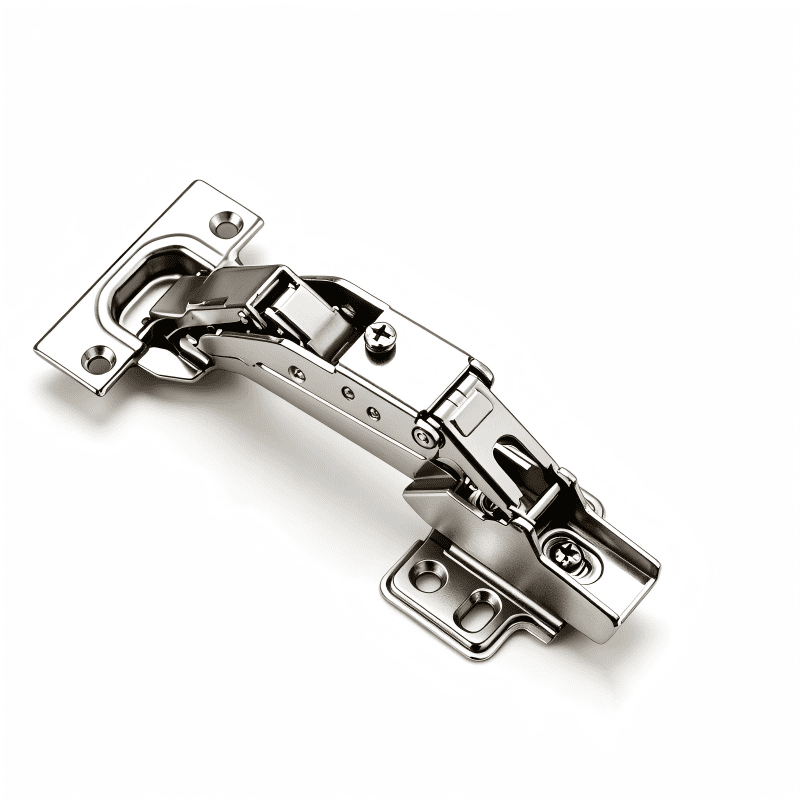
1. Premium Raw Material Selection: Foundation of High-Quality Hinges
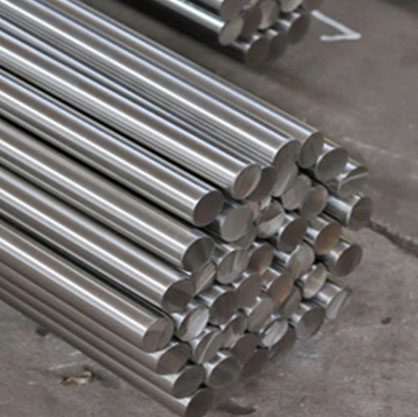
The service life and performance of cabinet hinges depend fundamentally on raw materials. Regular manufacturers strictly select raw materials to ensure product stability and corrosion resistance. The mainstream high-quality cabinet hinges adopt cold-rolled steel as the main material, which has high hardness, good toughness and strong compression resistance, effectively avoiding deformation and breakage during long-term use. Low-quality hinges often use recycled iron or thin inferior steel plates, which are prone to rust, looseness and poor load-bearing capacity.
In terms of auxiliary materials, high-end soft-close hinges use high-precision damping oil and wear-resistant spring steel. The damping oil is required to have stable viscosity, no leakage and no failure in high and low temperature environments, ensuring consistent silent buffering effect. The surface electroplating materials adopt environmentally friendly zinc and nickel alloy, which enhances the oxidation resistance of the hinge surface and meets international environmental protection and durability standards. Strict raw material incoming inspection is implemented before production, and unqualified materials are directly rejected to eliminate hidden quality dangers from the source.
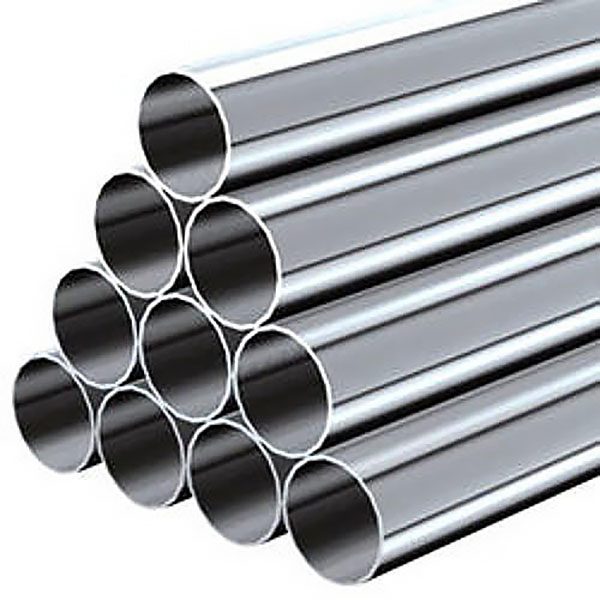
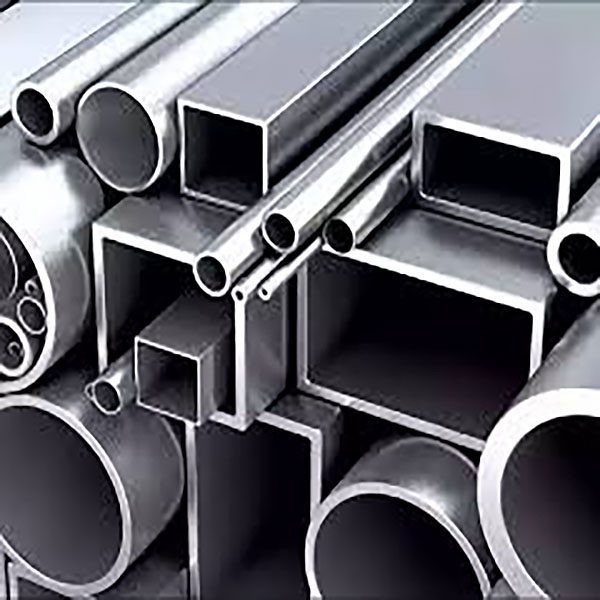
2. Standardized Manufacturing Process: Ensure Product Consistency
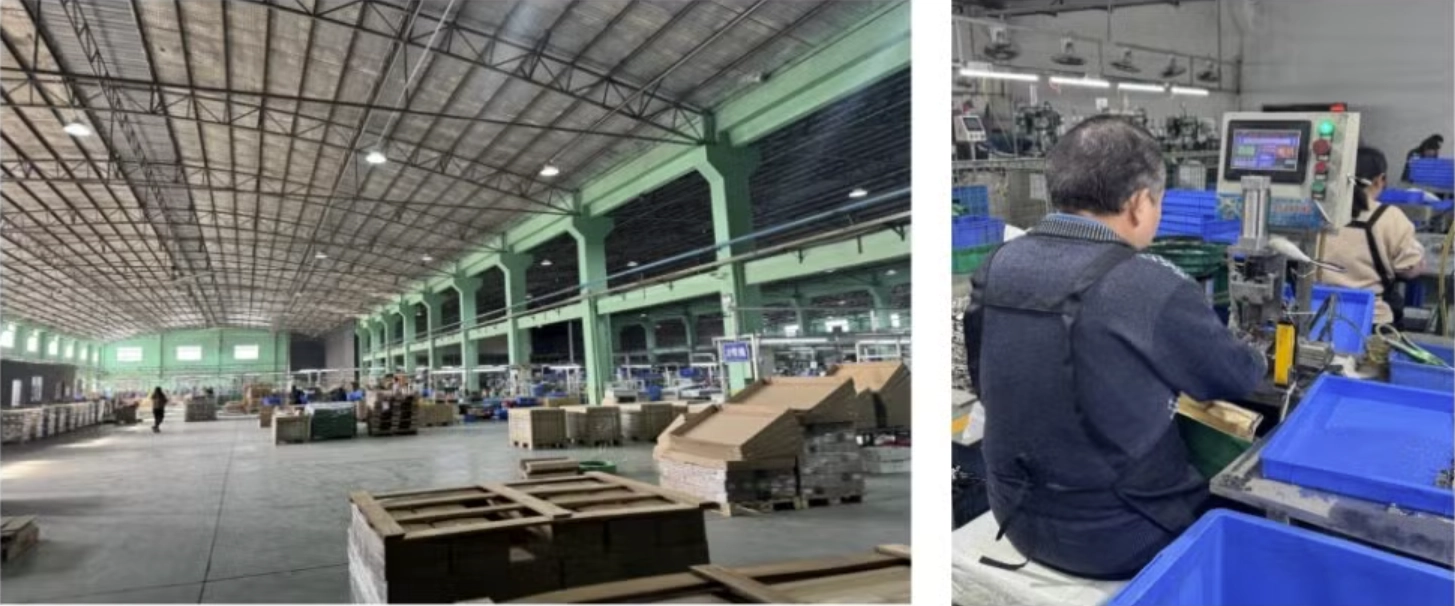
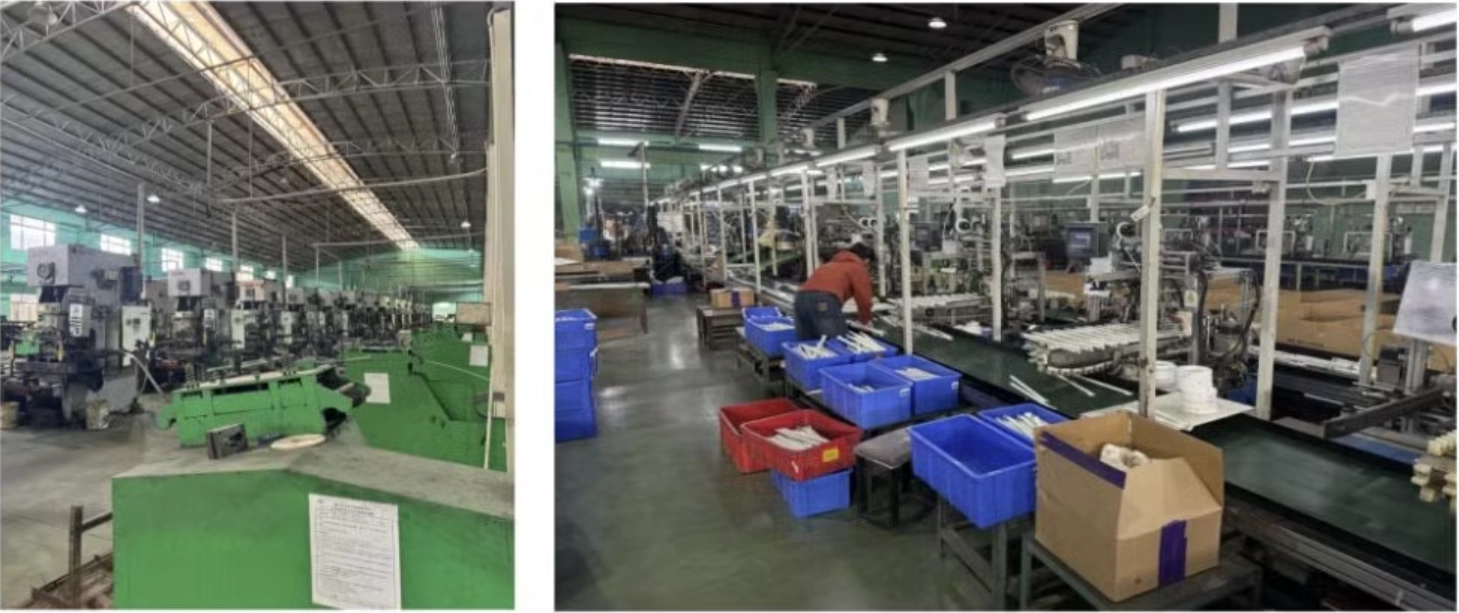
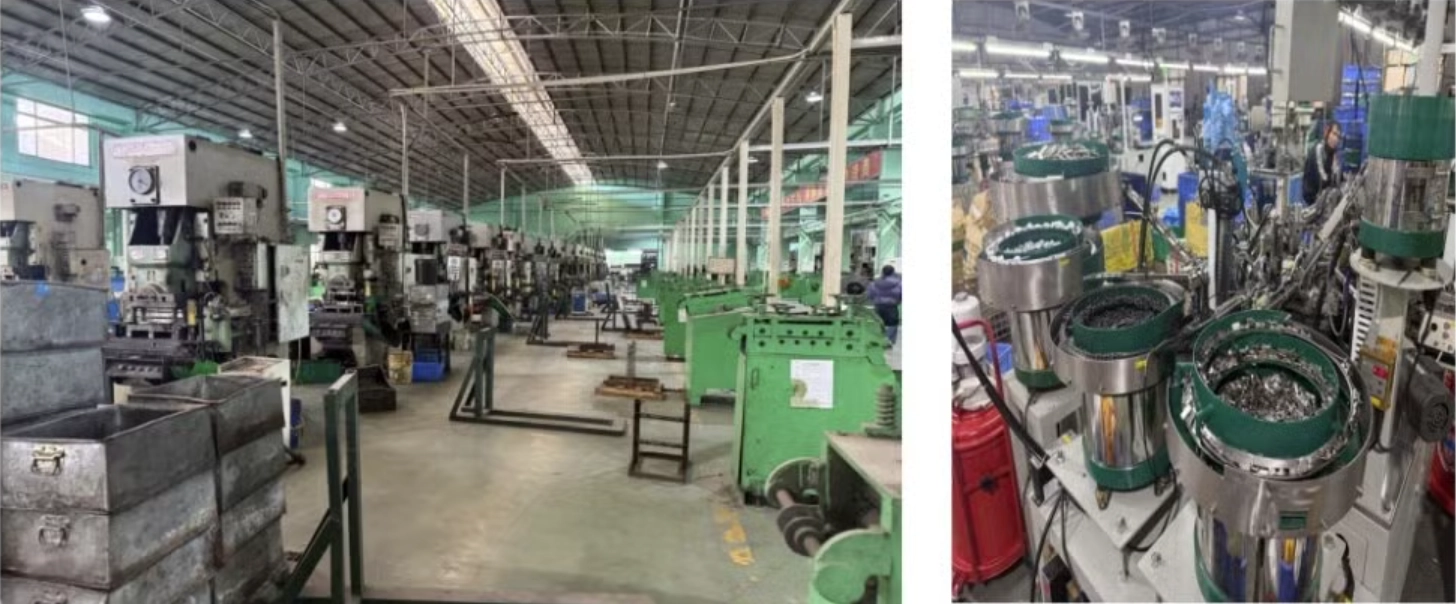
Formal cabinet hinge production follows a standardized and automated process flow, realizing high-precision and batch consistent production. The complete manufacturing process includes stamping, forming, deburring, bending, assembly, surface treatment and finished product finishing.
First, the steel plate is precisely stamped by automated stamping equipment to form the hinge base, arm and connecting parts, ensuring accurate dimensional tolerance. Then, professional deburring technology is used to polish all edges and corners to prevent scratching installation workers and cabinet panels. After bending and shaping, the core components such as springs and damping cylinders are manually and mechanically assembled in layers to ensure tight fitting of each part and no jamming.
Surface treatment is a key process affecting the appearance and service life of hinges. Through multiple processes of electroplating, polishing and anti-rust treatment, the hinge surface forms a dense protective layer, which effectively resists oxidation, water vapor and household chemical corrosion. Compared with inferior products with single thin plating, multi-layer electroplated hinges have stronger wear resistance and longer service life.
3. Strict Quality Control System: Core of Reliable Performance
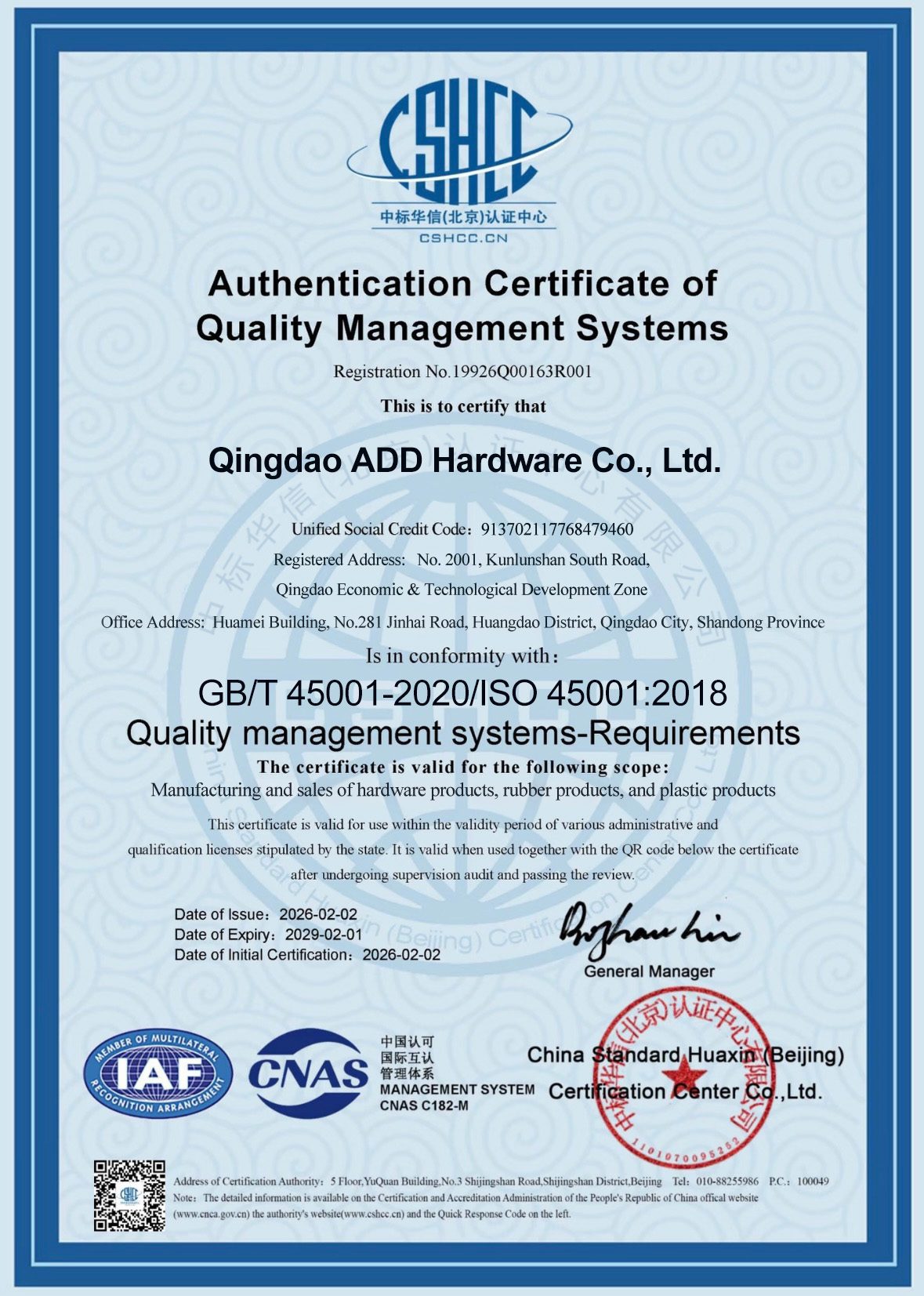
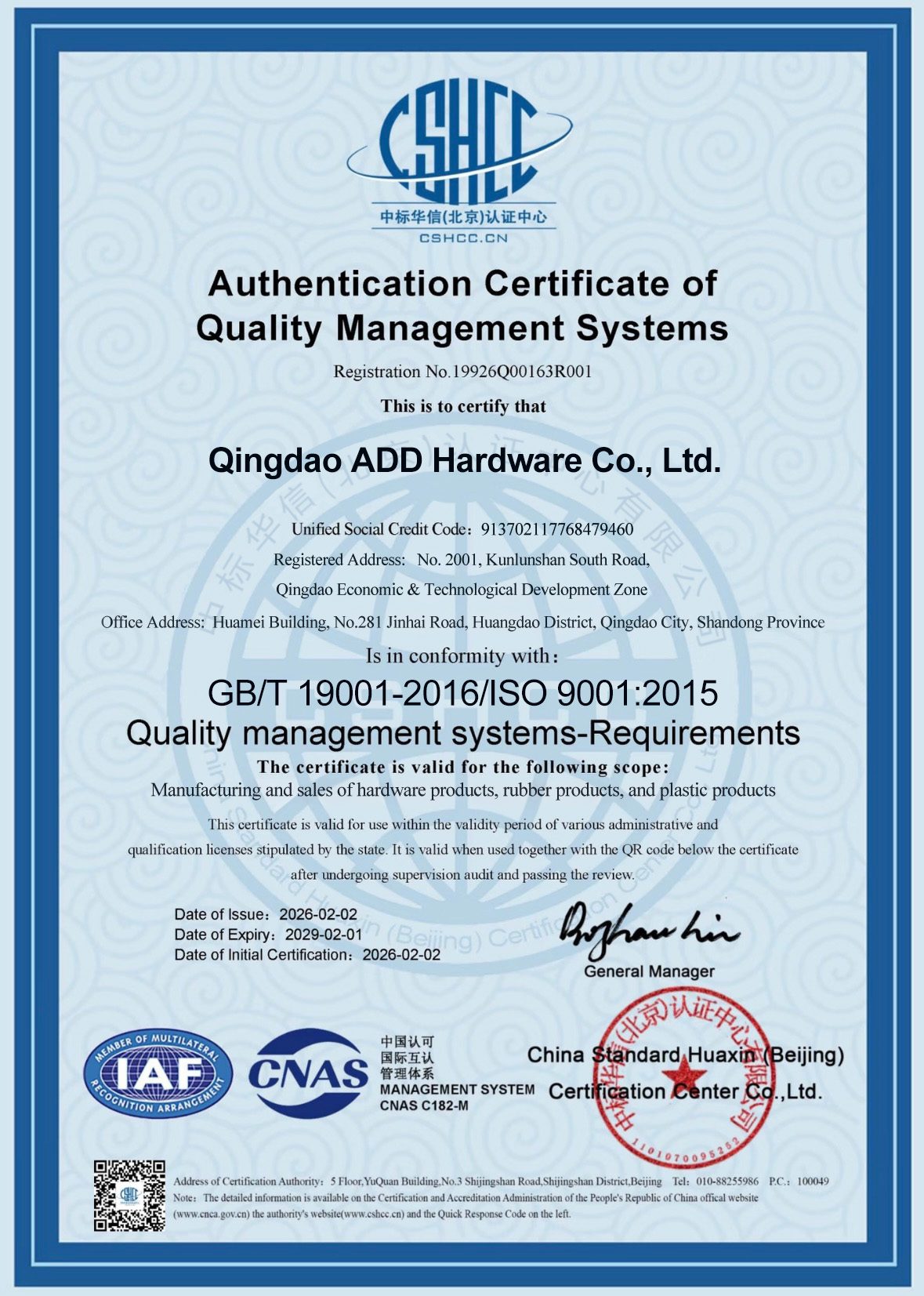
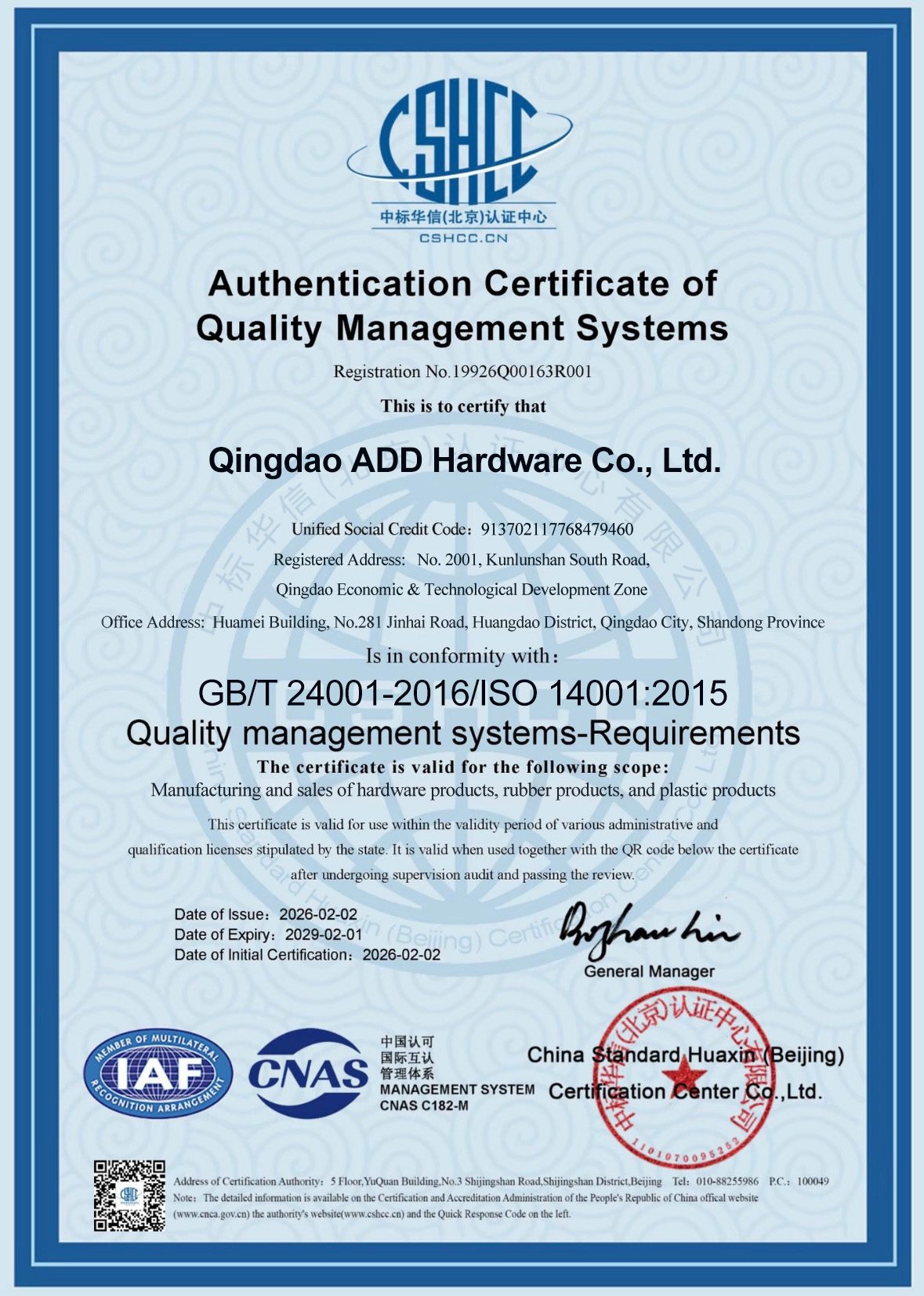
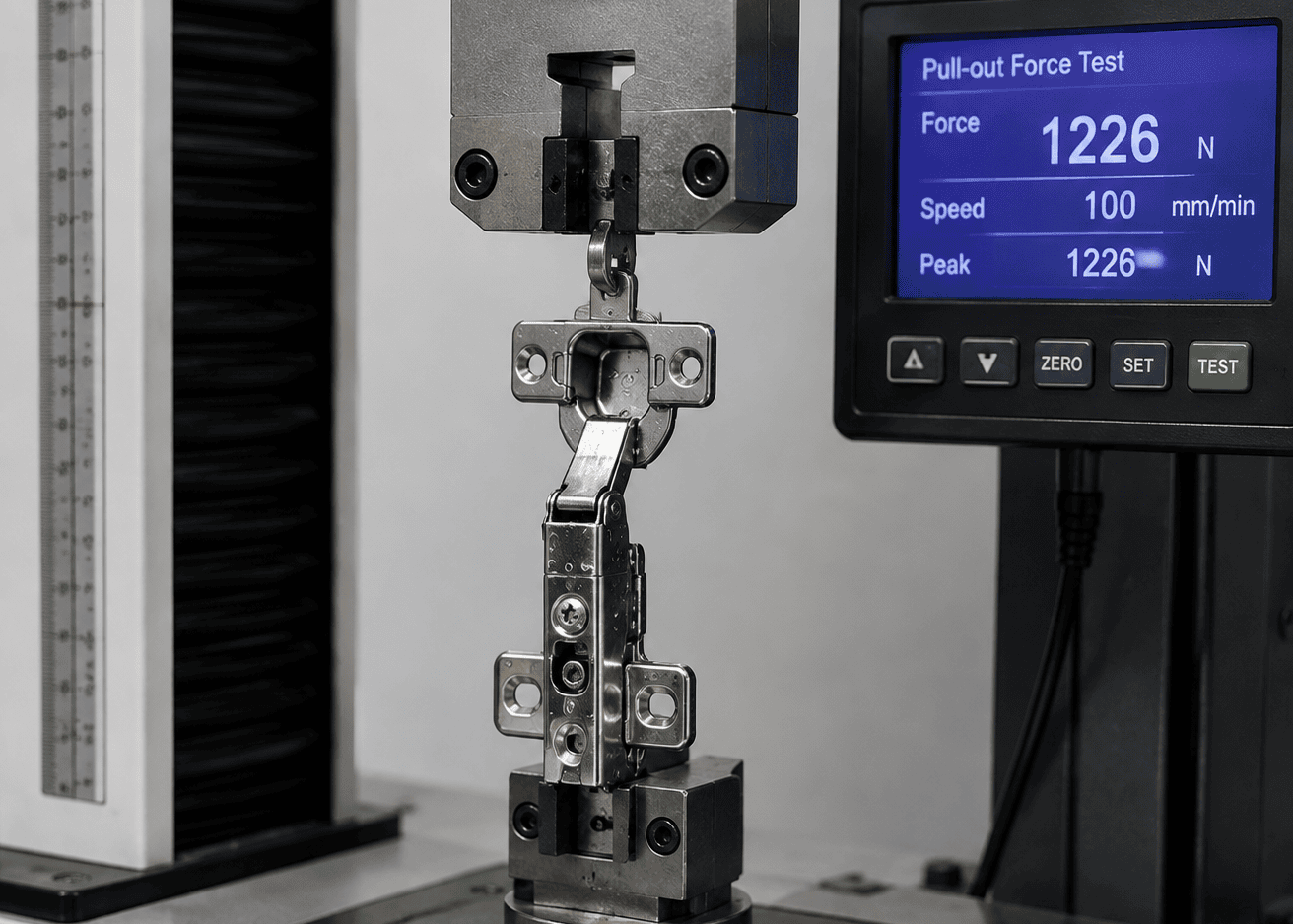
Quality control runs through the whole production process of cabinet hinges, which is the core standard to distinguish high-quality manufacturers from small factories. Formal factories implement three-level inspection of incoming materials, semi-finished products and finished products, with multiple professional testing procedures.
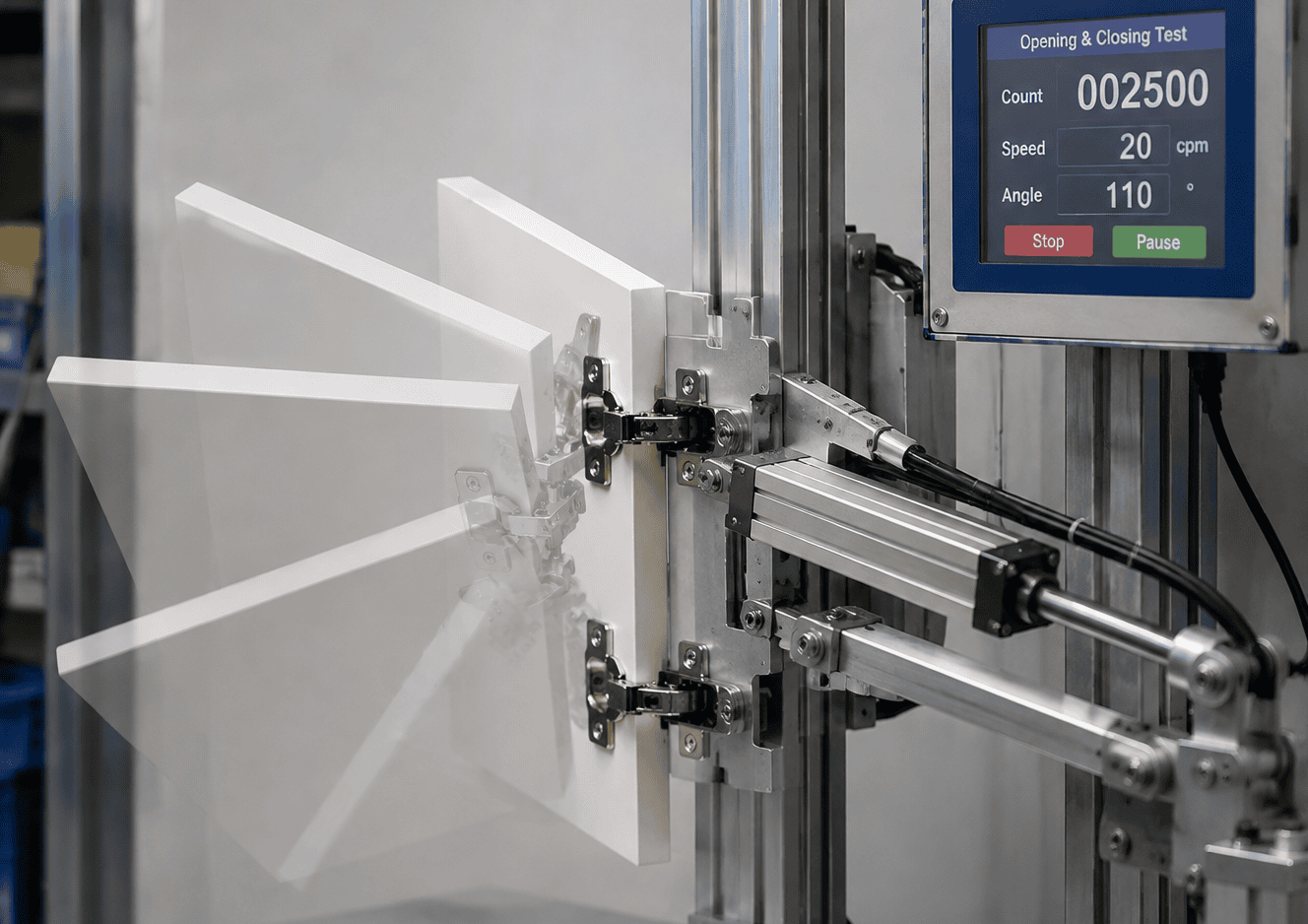
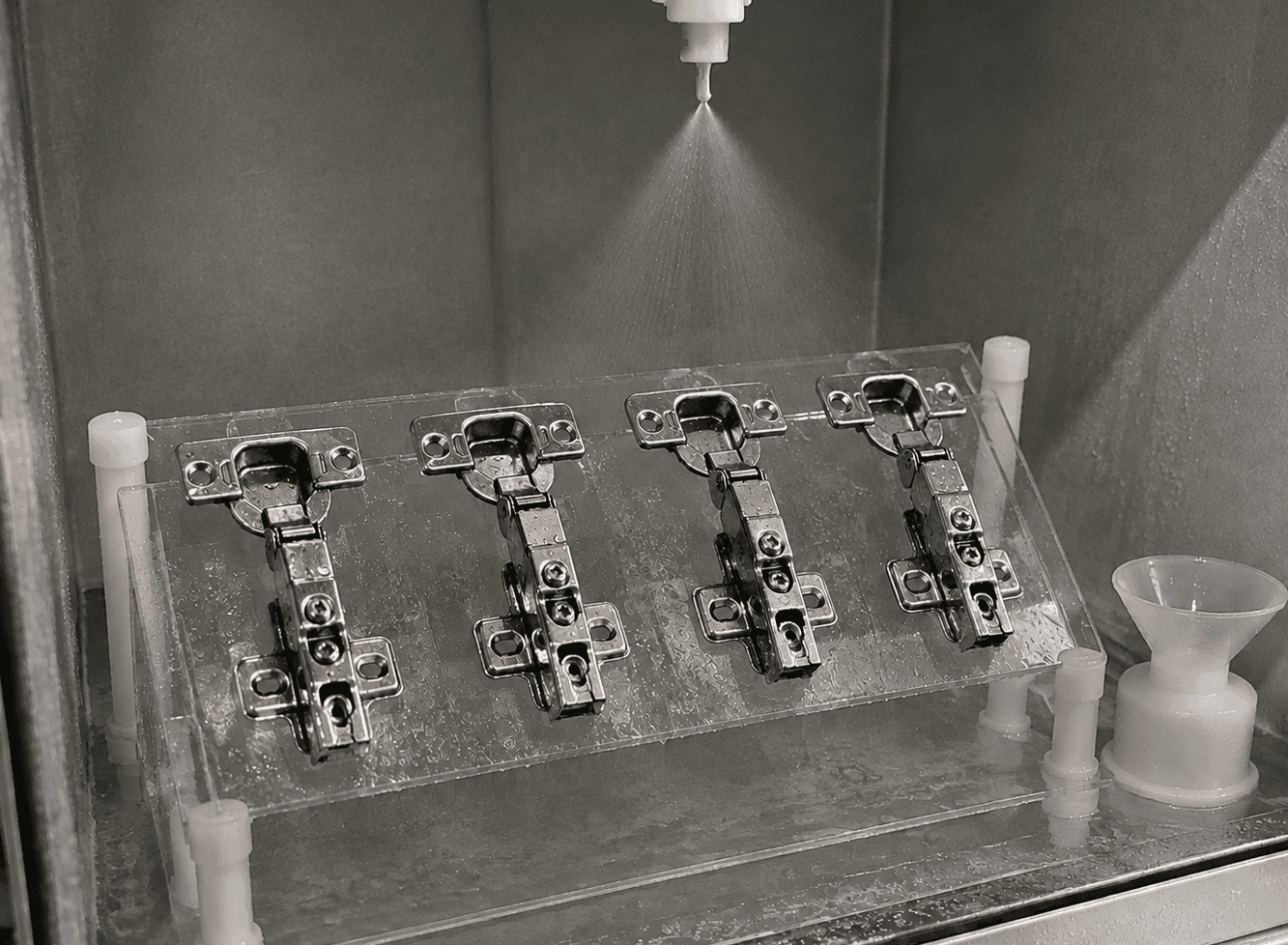
First, dimensional precision inspection is carried out with calipers and CMM precision measuring instruments to ensure that all hinge sizes meet industry standards and customer customization requirements, avoiding installation mismatch. Second, durability cycle test is conducted, with high-quality hinges passing 50,000 to 200,000 opening and closing cycle tests to simulate long-term daily use and verify mechanical stability. Third, salt spray corrosion test is a must-do item; qualified products can pass 48-72 hours of salt spray testing, adapting to humid kitchen and bathroom environments.
In addition, functional testing for soft-close and buffer hinges is included to check the damping uniformity, silent effect and closing speed, ensuring no noise, no collision and no rebound when closing the door. Finally, artificial visual inspection is carried out to screen out products with plating peeling, scratches and deformation, and only 100% qualified products can enter the packaging link.
4. Professional Packaging and Safe Transportation: Avoid Secondary Damage
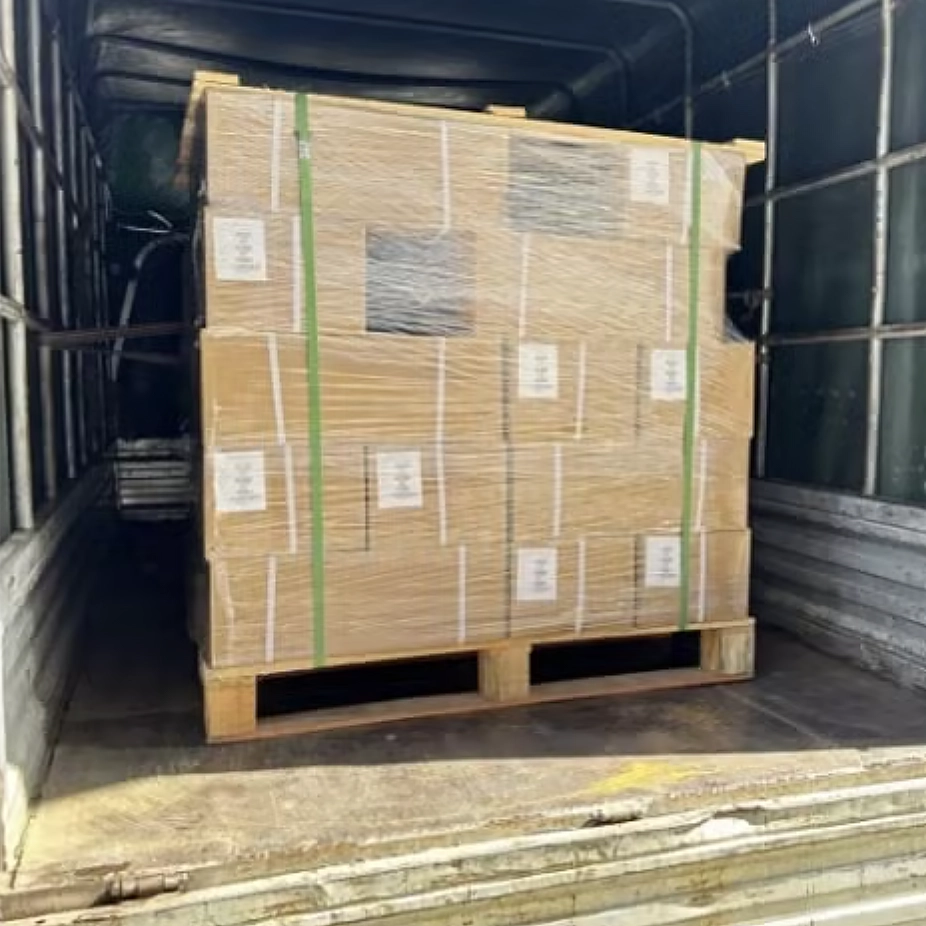
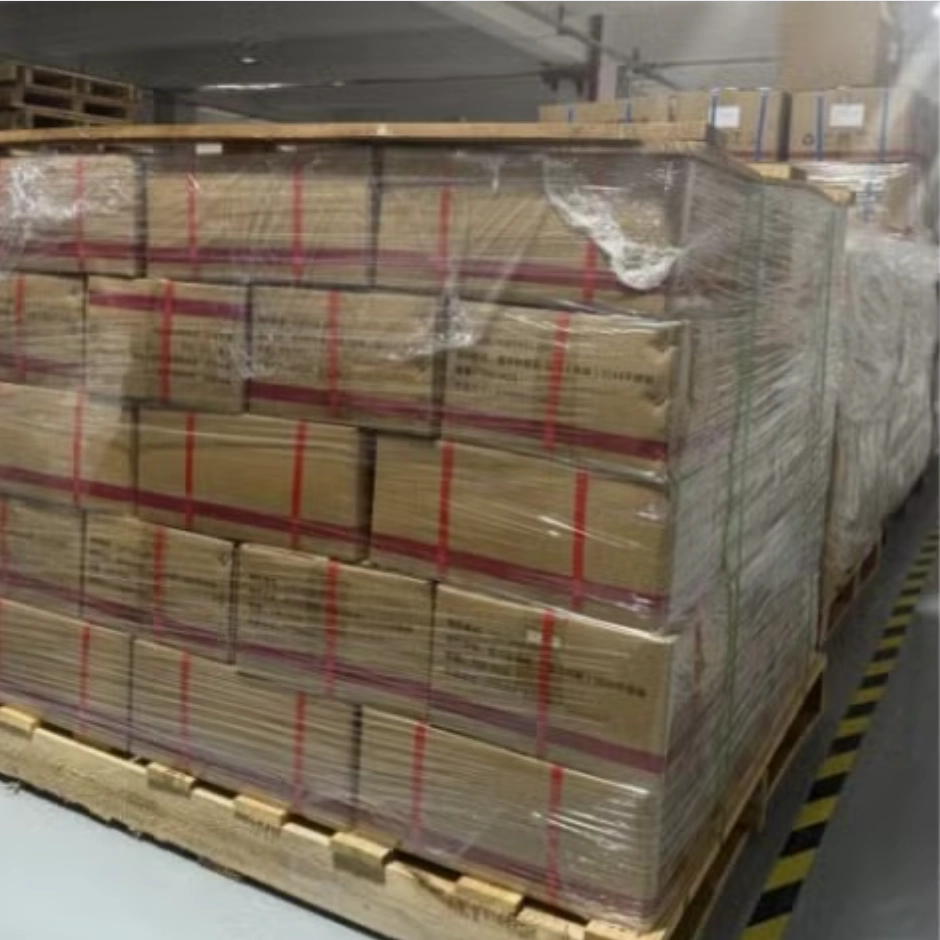
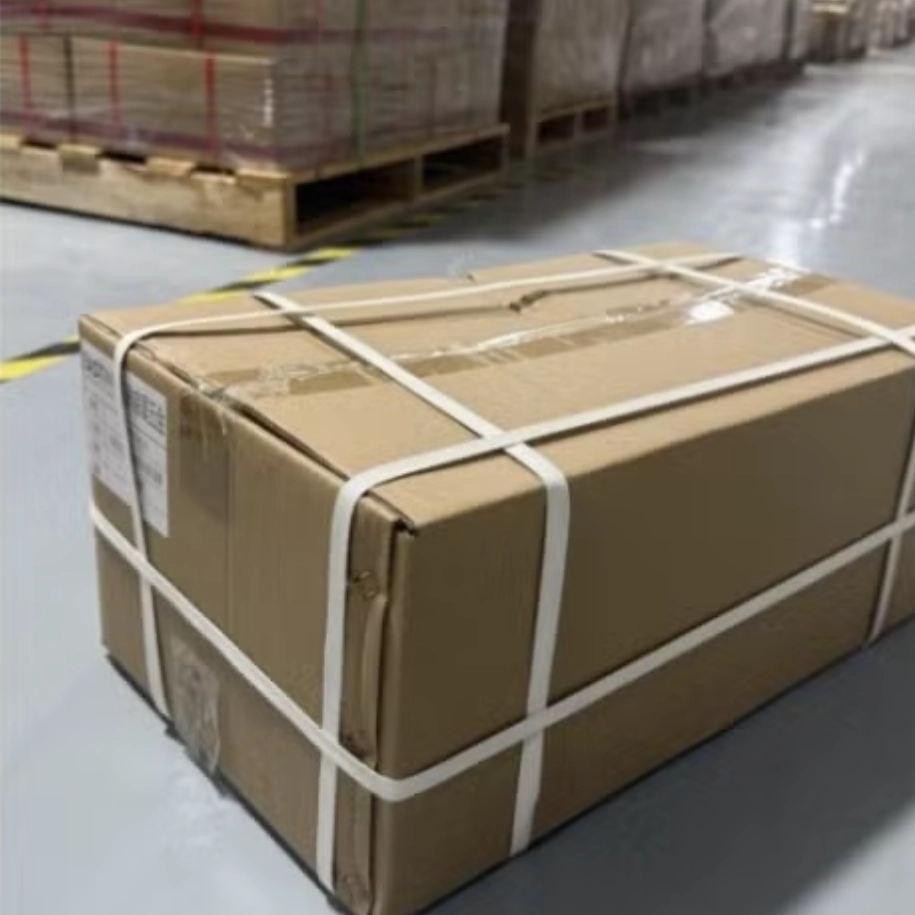
High-quality production standards also include standardized packaging and transportation links to prevent secondary damage to hinges during logistics. In terms of internal packaging, each hinge is wrapped with anti-scratch plastic film or foam, and matching screws and accessories are sealed in independent labeled bags to avoid loss and scratch friction. For retail and batch orders, independent color boxes and reinforced cartons are used respectively, with corner protection design for outer packaging to resist extrusion and collision.
All packaging is marked with clear product model, material specification, quantity and inspection qualification marks, facilitating customer inventory and inspection. During transportation, manufacturers choose professional hardware logistics channels, with waterproof and shockproof measures in place, effectively reducing product damage rate. Strict pre-delivery inspection ensures that customers receive intact, flawless and fully compliant cabinet hinge products.

Why Choose Us?
Excellent cabinet hinge products are derived from strict raw material selection, standardized manufacturing processes, comprehensive quality control and professional packaging and transportation. For global buyers, focusing on the whole production chain quality rather than only price is the key to long-term cooperative procurement. Manufacturers with complete production and testing systems can provide stable-quality, durable and compliant cabinet hinges, helping furniture brands improve product competitiveness and user satisfaction.